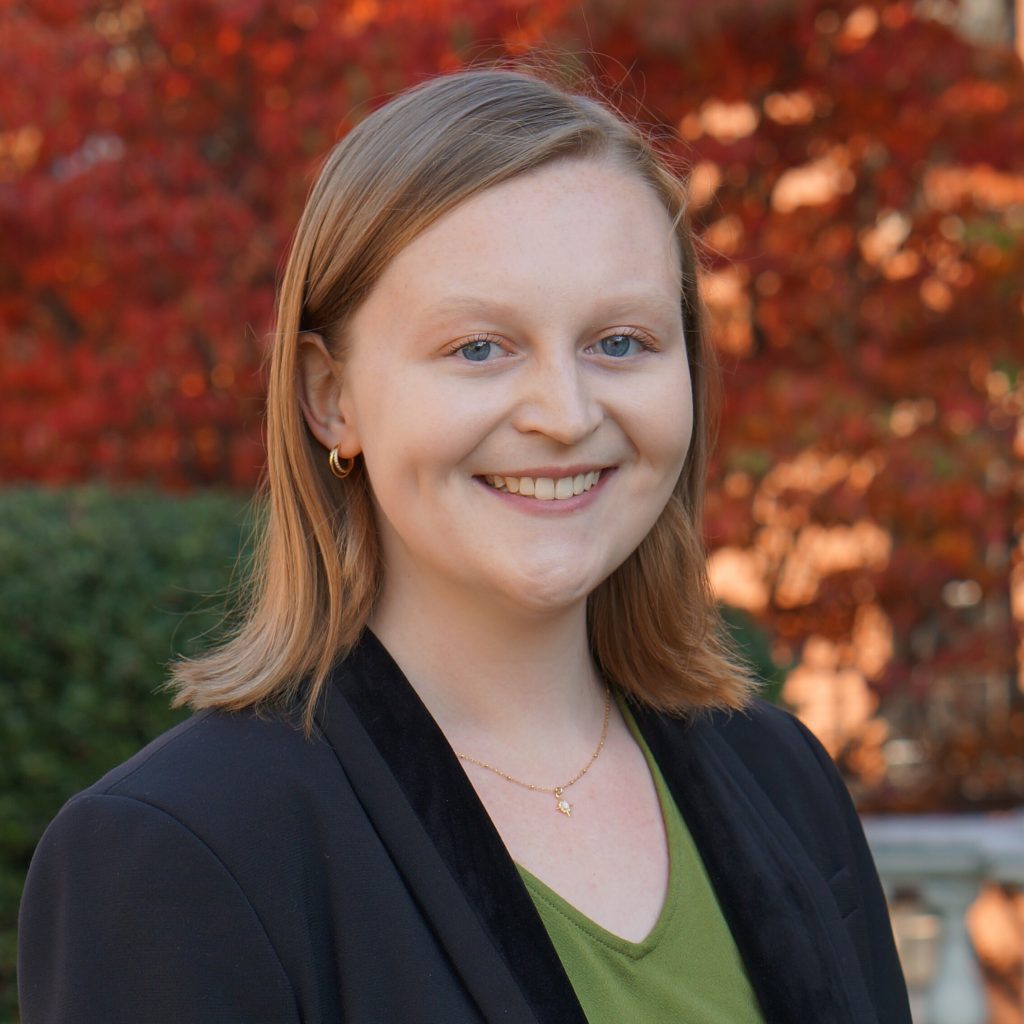
Art That Fuels Change: Storytelling in the Climate Movement
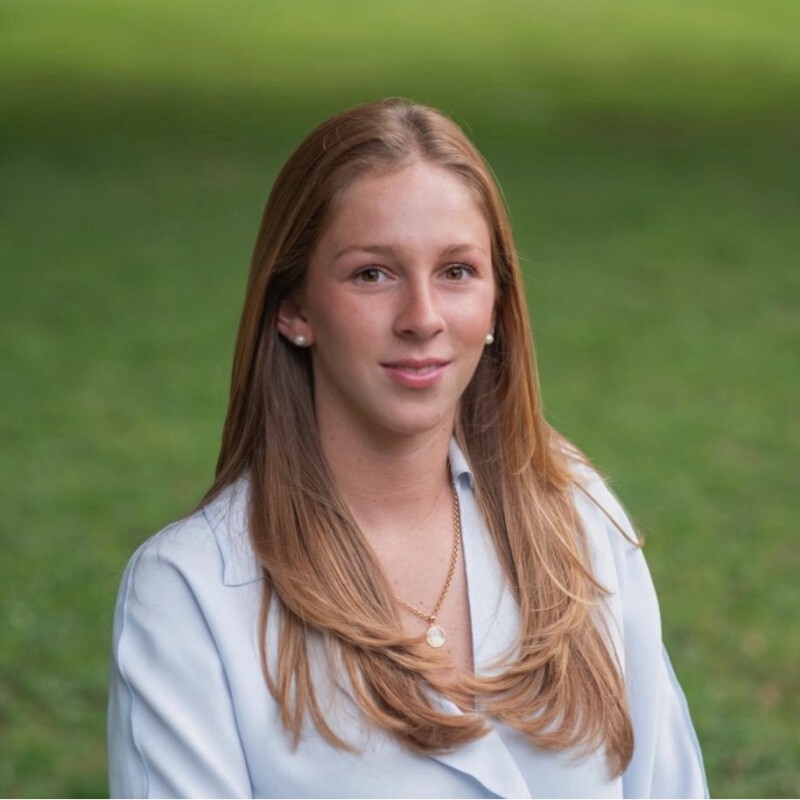
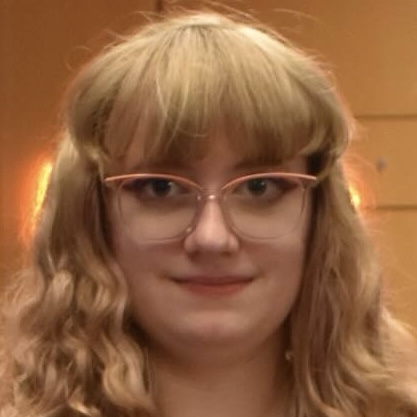
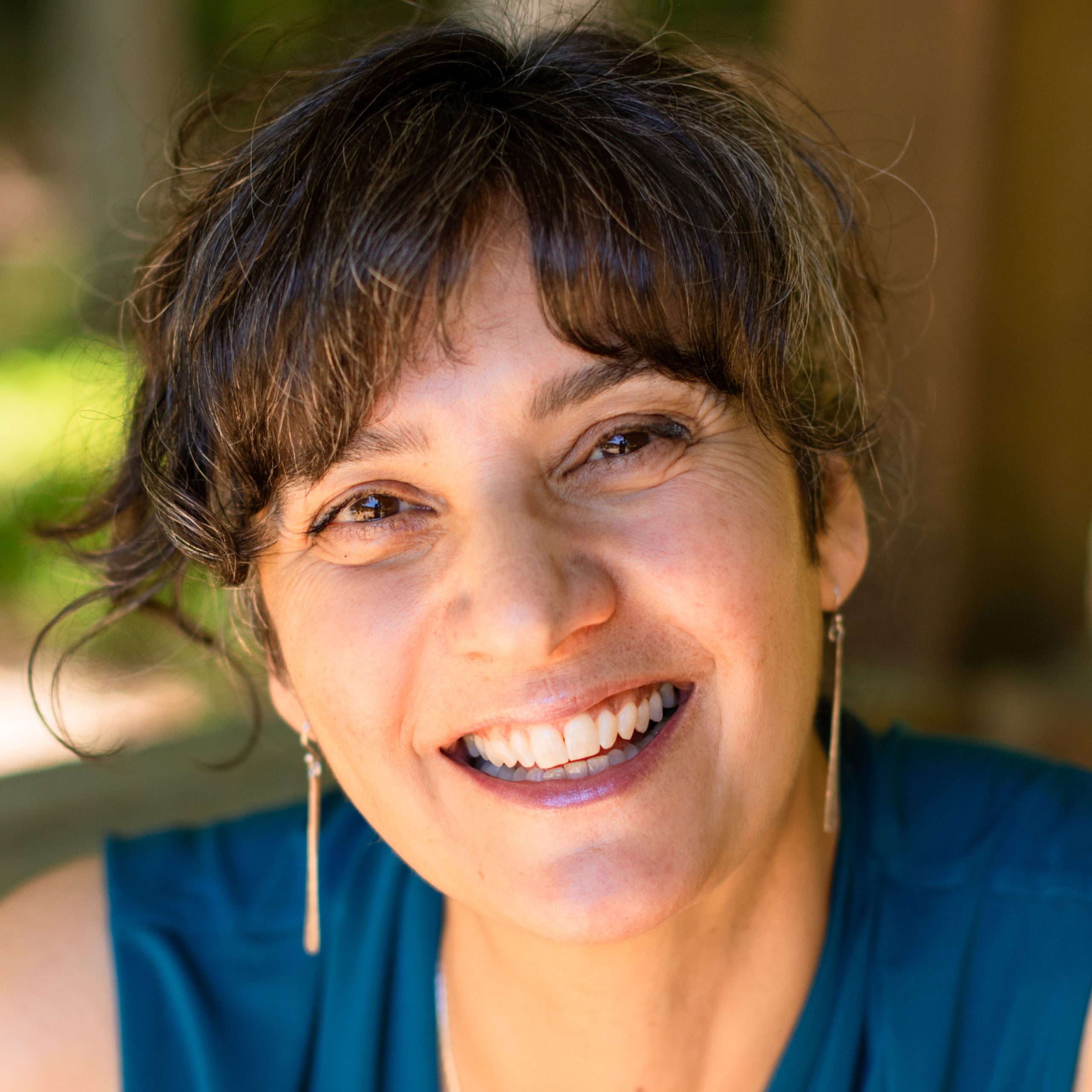
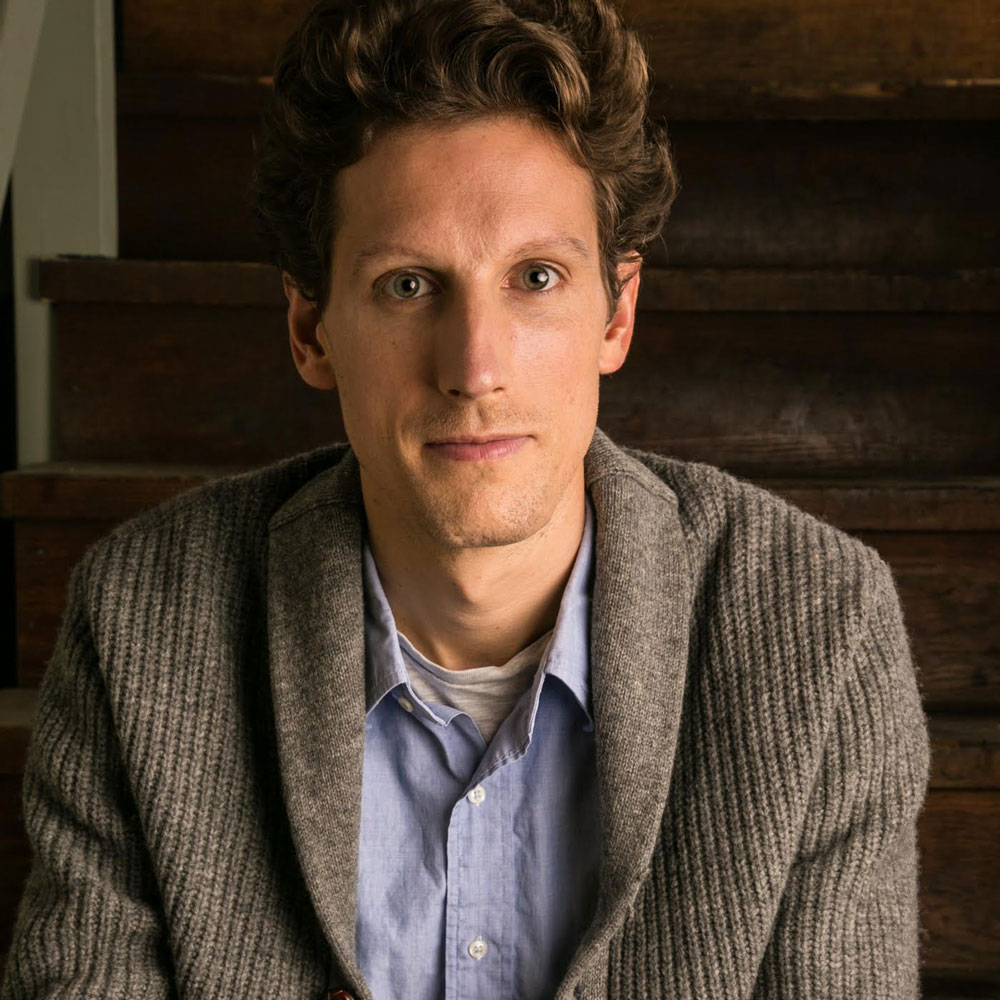
Val Wang, Miranda Braganini, Alyssa Dube, Meera Subramanian, Tom Toro
ROOM 325B
Storytelling shapes how we understand the world—and how we imagine changing it. In this interactive breakout session, panelists explore the possibilities, and the limitations, of using fiction and nonfiction narrative to move people from awareness to action.
Moderated by Bentley University English and Media Studies Professor Val Wang, who teaches creative writing focused on climate fiction, and her current students Miranda Braganini and Alyssa Dube, the session bridges theory and practice. Together, the panel, which includes authors Meera Subramanian and Tom Toro, will discuss how creative storytelling—including climate fiction, cartoons, and youth-centered storytelling—can help people process climate emotions, envision more just futures, and take meaningful action in their communities.
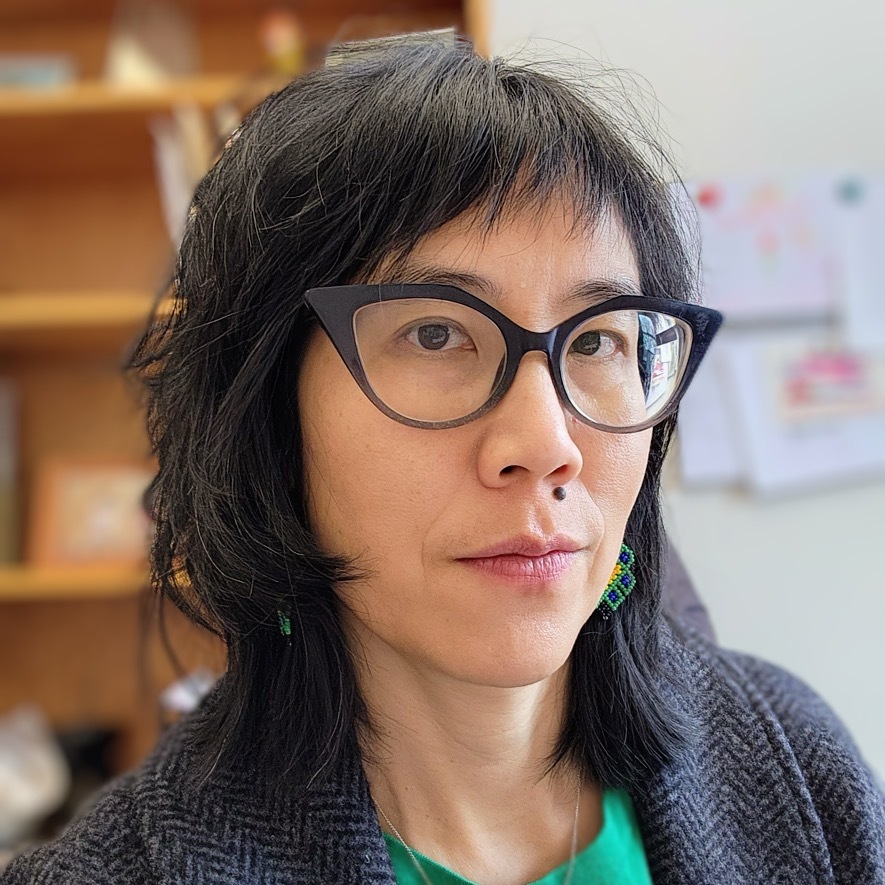
Bridging the Gap: Energy Affordability for Moderate Income Residents
Riddhima Dave, Sherdyl Fernandez-Aubert, Maria Holguin, Quiana Lee-Gaines
ROOM 305B
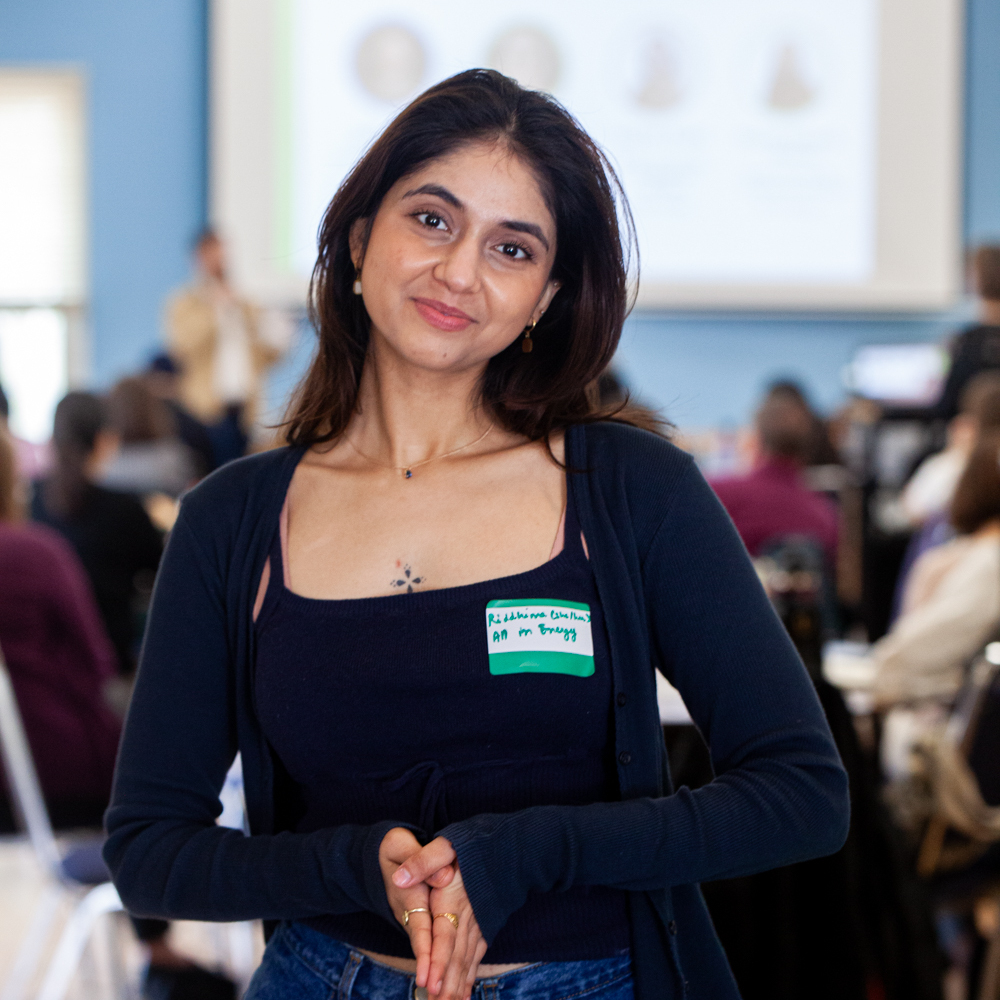
Learn how to better serve two populations that consistently underutilize Mass Save programs: moderate-income residents and renters. Quiana Lee-Gaines, Supervisor of Energy Efficiency at Eversource (one of the Sponsors of Mass Save), joins Community First Partnership Energy Advocates Sherdyl Fernandez-Aubert (Berkshire Regional Planning Commission) and Maria Holguin (City of Boston). Together they will help attendees understand what programs they and their neighbors may qualify for and share best-practice outreach strategies and tools to promote these programs in their communities. The panel will be moderated by Riddhima Dave, Program Coordinator at All in Energy.
Municipal Sustainability Round Table: Supporting Municipal Staff & Learning From Each Other (Municipal Staff Only Please)
Jillian Wilson-Martin
ROOM 335
Join other municipal sustainability professionals for a roundtable discussion. Come with two best practice suggestions and two questions for your peers. Also - is there a municipal program you admire? We'd love to know about it!
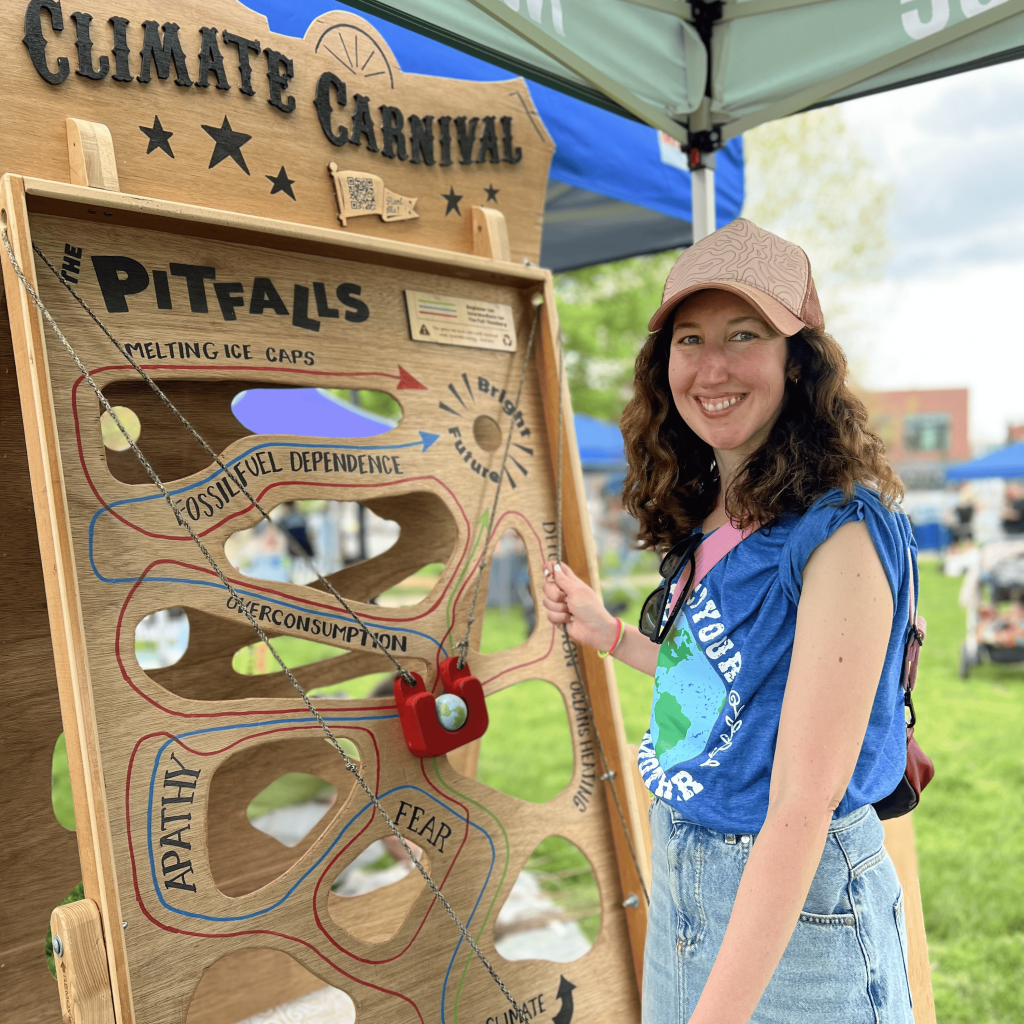
Power Mapping: A Strategy Tool to Understand Power – and How to Influence It
Meghan Murphy
ROOM 340
As community climate leaders we work with many stakeholders, each with their own level of influence over decisions — some will be allies, others will be in opposition to your goals, and more will fall in between. Power mapping is an exercise to help you identify who holds power and figure out what will move them to the action you want. In this participatory session, we’ll learn about the power map, practice making our own in groups, and show how to use them to develop effective community organizing strategies. Expect to leave with a new strategy tool for your team’s next campaign.
Rights of Nature: A Complimentary Means for Addressing Climate Change by Recognizing Rights of Wetlands
Gillian Davies
ROOM 325A
Earth’s Climate System is maintained by multiple ecosystems. Wetlands cover just 13% of the Earth's land area, but hold 30% of the planet’s soil carbon. Along with forests and oceans they play an important role in managing atmospheric carbon dioxide and methane. Recognizing the Rights of Wetlands and other ecosystems is adding an additional means for managing these gases and protecting existing ecosystem carbon banks.
Using Psychology to Build Better Climate Messages
Dr. Ana Sebherwal, Prof. Gregg Sparkman
ROOM 325C
How can we motivate people in our communities to adopt climate and energy solutions—such as heat pumps, home energy audits, and EVs—even when they are costly or opposed by key stakeholders? Research in psychology shows that both what we say and who delivers the message shape how people respond. In this interactive break-out session, participants will be introduced to a toolbox of psychologically informed communication strategies for promoting climate solutions. The session will begin with a brief overview of evidence-based approaches to climate communication, highlighting effective messengers and message frames when solutions involve personal costs or uncertainty. Participants will then work in small groups to apply this toolbox and craft their own communication strategies and messages around a real challenge they want to address, such as communicating about home energy upgrades or other community-based initiatives. The session will conclude with getting feedback on their message, with tips to strengthen it. Participants will leave with a set of communication frames they can readily apply based on their needs, as well as hands-on experience adapting these frames to real-world communication contexts.
What Does Electrification Look Like in My Community?
Julia Fox, Alexandra Lowder, Nathan Raike, Matt Shortsleeve
ROOM 305A
Massachusetts has ambitious climate goals and achieving them will require additional buildout of clean energy infrastructure. This session will explore what’s needed to support both transmission and distribution system level clean energy projects, including solar and battery energy storage. Each municipality has a role to play in the clean energy transition. Learn what your community can do to adopt zoning and permitting practices that enable electrification and promote decarbonization. Speakers will include Renew NE, Solect Energy, and the Town of Tewksbury.